Jungfraujoch vs Schilthorn: two summits, two prices
Is the Jungfraujoch or the Schilthorn better value?
The Jungfraujoch reaches a higher, glaciated summit with a longer, more elaborate day out, but costs roughly twice as much as the Schilthorn. The Schilthorn is cheaper, quicker to reach from Lauterbrunnen or Mürren, and gives arguably better all-round panoramic views for a lot less money.
Both summits sit within a few kilometres of each other in the Bernese Oberland, both are reachable as a long day trip from Zürich, and both promise a view of the Eiger, Mönch and Jungfraujoch massif. Past that, they are two different products at two different price points. One question decides which is right for you: do you want the highest railway station in Europe, or the best view for the least money?
What actually separates them
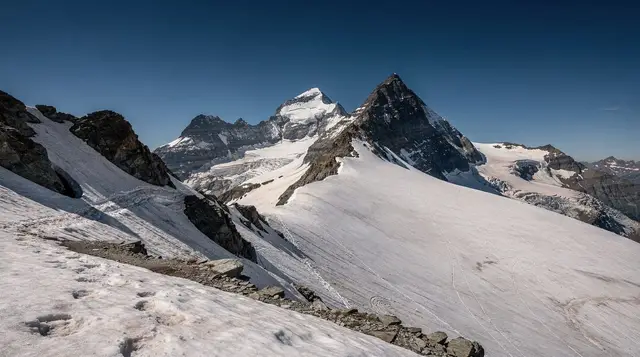
The Jungfraujoch sits at 3,454 metres, reached by a cogwheel railway that tunnels straight through the Eiger before emerging at the “Top of Europe” station. You get an ice cave carved into the glacier, a viewing terrace, the Sphinx Observatory at 3,571 metres, and a first-hand look at the Aletsch Glacier, the longest ice stream in the Alps. It is a genuinely engineered spectacle, and it is priced like one.
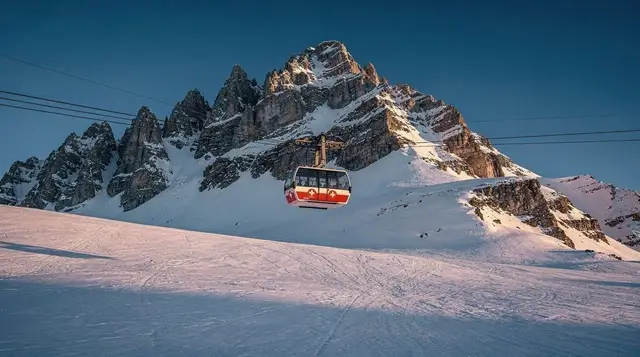
The Schilthorn tops out at 2,970 metres and is reached by a rotating cable car from Stechelberg via Mürren. There is no glacier and no tunnel through a mountain, but there is an unobstructed 360-degree panorama, a revolving restaurant made famous by the 1969 Bond film “On Her Majesty’s Secret Service,” and a walk along the Thrill Walk and skyline viewing platform. It costs roughly half what the Jungfraujoch does.
Neither is “the wrong choice.” They are simply built for different days out, and the price difference is large enough that it should genuinely factor into your decision, not just your itinerary.
The price gap in Swiss francs
Prices move each year and both operators run seasonal early-bird discounts, so treat these as a guide rather than a quote. Check the current fares before you travel, and note that CHF prices at these two attractions rarely fall, only rise.
| Jungfraujoch (from Interlaken Ost) | Schilthorn (from Stechelberg) | |
|---|---|---|
| Standard adult return | approx. CHF 220–235 | approx. CHF 100–110 |
| Good Morning ticket (first departures) | approx. CHF 180–195 | approx. CHF 85–95 |
| With Half Fare Card | approx. CHF 110–120 | approx. CHF 55–60 |
| Swiss Travel Pass discount | 25% off | 50% off |
| Journey time, one way | approx. 2 h 20 from Zürich HB | approx. 2 h 40 from Zürich HB (via Stechelberg) |
| Time at altitude before descent (comfortable) | 2–3 hours | 1.5–2 hours |
The Swiss Travel Pass is worth reading twice here: it only discounts the Jungfraujoch by a quarter, but it cuts the Schilthorn fare in half. If you already hold a pass, the Schilthorn’s effective price advantage widens even further.
What the extra francs buy at the Jungfraujoch
The headline draw is altitude and ice. The train itself climbs through tunnels blasted into the Eiger and Mönch, with two stop-off windows cut into the rock face where you can look straight down onto the Grindelwald valley. At the top, the Ice Palace is a series of sculpted tunnels inside the glacier itself, kept at a constant sub-zero temperature year-round.
The Sphinx Observatory terrace, reached by a further lift, is the actual highest point open to visitors, at 3,571 metres. On a clear day the Aletsch Glacier stretches out below, a genuinely rare sight for anyone who has not done serious alpine hiking. There is also a Lindt chocolate shop, a Bollywood-themed restaurant (a nod to the site’s popularity with Indian tour groups), and, weather permitting, a short walk out onto the snow field itself.
The trade-off is time and crowding. Because it is the single most-visited attraction in the Bernese Oberland, the trains run packed in July and August, and queueing for lifts at the top can eat 30 to 45 minutes out of your visit. Altitude sickness is also a genuine, if minor, risk for some visitors moving quickly from valley floor to 3,454 metres — nothing serious for most people, but it is worth knowing headaches and light-headedness are common on arrival.
If you are coming from Zürich for the day, this is one of the longest single excursions on this site: allow a minimum of 12 hours door to door, and expect to spend more time travelling than at the summit itself.
a full-day trip from Zürich to the Jungfraujoch, including all train connections removes the logistics of booking each cogwheel leg separately, which matters on a route with this many changes.
What the lower price buys at the Schilthorn
The Schilthorn’s case for itself is simple: the view is arguably better, the trip is shorter, and it costs half as much. Because you are looking across at the Eiger, Mönch and Jungfraujoch trio rather than standing among them, the panorama reads more like a postcard — you can actually see the mountains that make this region famous, rather than being inside them.
The revolving restaurant at the summit, Piz Gloria, turns a full circle roughly every 45 minutes, meaning a coffee or lunch stop doubles as a slow, seated tour of the horizon in every direction, from the Jungfrau to the Jura and, on an exceptionally clear day, the Vosges and the Black Forest. It remains a mild novelty for Bond fans, since several scenes of “On Her Majesty’s Secret Service” were filmed here, and a small exhibition inside covers the film’s production.
The 007 Walk of Fame and the exposed steel Thrill Walk platform are the other additions, both included in the ticket price, both taking no more than 20 to 30 minutes combined.
What you do not get is a glacier, an ice cave or the sheer statistical bragging rights of “the highest railway station in Europe.” For most travellers who simply want a big mountain view and a memorable lunch, that is not much of a loss.
a private day trip from Zürich to the Schilthorn via Mürren is worth considering if you want to skip working out the Lauterbrunnen–Mürren cable car and cogwheel connections yourself.
Getting there from Zürich
Both trips start the same way: a direct train from Zürich HB to Interlaken Ost, roughly two hours, then diverge.
| Leg | To Jungfraujoch | To Schilthorn |
|---|---|---|
| Zürich HB → Interlaken Ost | approx. 2 h, direct | approx. 2 h, direct |
| Interlaken Ost → next stage | train to Grindelwald or Lauterbrunnen (25 min) | train to Lauterbrunnen (20 min), then bus or train to Stechelberg |
| Final ascent | cogwheel via Kleine Scheidegg to Jungfraujoch (approx. 1 h from Grindelwald) | cable car Stechelberg–Mürren–Birg–Schilthorn (approx. 30 min) |
| Total one-way | approx. 3 h 15–3 h 30 | approx. 2 h 45–3 h |
If you would rather not manage four separate tickets and connections, a small-group tour to the Jungfraujoch departing from Interlaken starts the trip closer to the mountain and cuts out the Zürich–Interlaken leg, useful if you are already staying in the region rather than doing this as a Zürich day trip.
Neither summit is walkable to from the valley in a single day; both depend entirely on their respective railways and cable cars, which is part of why prices sit so high relative to other Swiss attractions.
Weather and seasonal closures
This is where both trips can go wrong regardless of budget. Cloud cover on these peaks is common even in July and August, and neither operator refunds a ticket for poor visibility, only for a full mechanical or weather closure of the line. Check the live summit webcams on the morning of departure rather than trusting a forecast made the night before; alpine weather changes fast and a clear Zürich morning tells you nothing about conditions 3,000 metres higher.
Both railways also close sections for scheduled maintenance in spring and again in autumn, typically for one to two weeks at a time, dates varying by year. This is one of the more overlooked ways a Bernese Oberland day trip gets derailed: always confirm the specific lift or railway segment is running on your travel date before booking transport or tours, not just the general “open season.”
Winter access differs too. The Schilthorn generally runs year-round, weather permitting, and the summit doubles as a starting point for the Inferno ski run in winter. The Jungfraujoch also runs year-round, though snow conditions can extend queueing times at Kleine Scheidegg during peak ski season.
Which one for which traveller
- Budget-conscious, first Swiss Alps trip: Schilthorn. You get a comparable panoramic payoff for roughly half the outlay, which matters given how expensive the rest of a Zürich trip already is.
- Set on saying you have stood on Europe’s highest railway station: Jungfraujoch. There is no substitute for the Ice Palace, the glacier view and the altitude itself.
- Travelling with young children: Schilthorn, for the shorter journey and the entertainment value of a revolving restaurant.
- Doing one big-ticket alpine excursion on a longer Switzerland trip: Jungfraujoch, since it is the more singular, harder-to-replicate experience, and worth building a whole day around.
- Combining with Mürren or Lauterbrunnen as a base: Schilthorn, since it starts from the same valley and needs no extra rail changes.
- On a Swiss Travel Pass already: Schilthorn tips further in its favour, since the pass halves that fare but only trims a quarter off the Jungfraujoch.
If you are still undecided and have the extra day, doing the Schilthorn on one trip to the Bernese Oberland and the Jungfraujoch on a separate visit — rather than trying to force both into one exhausting day — gives each the time it deserves. For a wider view of what else is worth the journey out of the city, the guide to the best mountain excursions from Zürich ranks both alongside Pilatus, Rigi and Titlis, and the Pilatus vs Rigi vs Titlis comparison follows the same format as this page for the other big three.
Booking and ticket options
Both mountains can be booked directly through their respective railway websites, but a bundled tour from Zürich or Interlaken removes the need to plan four or five separate connections yourself, which matters most on the Jungfraujoch route given how many changes it involves.
a self-guided Jungfraujoch attraction ticket works well if you are comfortable managing your own train connections from Interlaken or Grindelwald and just want the summit ticket sorted in advance, which also avoids queueing at the ticket counter on a peak summer morning.
For those basing themselves in Bern rather than Zürich or Interlaken, a private trip from Bern taking in Lauterbrunnen, Mürren and the Schilthorn covers the same waterfall valley and cable car route in one organised day.
Whichever you choose, book the specific ascent time rather than an open ticket where possible: both railways run a fixed number of departures per hour, and turning up without a reserved slot in August can mean a two-hour wait before you even start moving.
Where to stay if you want more than a day trip
Doing either mountain as a long day trip from Zürich is entirely workable, but a night in the valley makes both far less rushed. Interlaken is the natural hub for the Jungfraujoch route, while Lauterbrunnen and Wengen sit closer to the base stations for both mountains and cut a good hour off the round trip.
Mürren itself, car-free and perched above the Lauterbrunnen valley, is the obvious base if the Schilthorn is your main goal, and Grindelwald works well if you are approaching the Jungfraujoch via Kleine Scheidegg rather than through Lauterbrunnen.
For planning the wider trip, the Swiss Travel Pass guide is worth reading before you book either summit, since the pass’s discount structure genuinely changes which mountain is the better deal. If you are staying overnight, the Lauterbrunnen waterfalls guide covers a free, low-cost way to fill an extra afternoon in the same valley without paying for another cable car.
And if this is one stop on a longer alpine circuit, the dedicated Jungfraujoch day trip guide and the Mount Titlis guide both sit alongside this comparison for a fuller picture of the region’s big-ticket peaks.
Frequently asked questions about Jungfraujoch and Schilthorn
Which is more expensive, Jungfraujoch or Schilthorn?
The Jungfraujoch. A standard return from Interlaken Ost runs to roughly CHF 220 to 230 in high season, against roughly CHF 100 to 110 for a Schilthorn return from Stechelberg. Both drop with a Swiss Travel Pass or Half Fare Card, but the gap stays close to double.
Can I visit both in one day?
Not sensibly. Each round trip from the valley floor takes five to six hours once you include queueing, cable cars and time at the top. Combining both means a rushed, expensive day and almost no time to actually enjoy either summit.
Is the Schilthorn view actually worse than the Jungfraujoch?
No. The Schilthorn’s 360-degree panorama over the Eiger, Mönch and Jungfrau is arguably more photogenic than the Jungfraujoch’s own viewing terraces, because you are looking at the north faces rather than standing among them. What the Jungfraujoch adds is the glacier, the Ice Palace and the sheer altitude, not a better view of the Eiger trio.
What is the Good Morning ticket and does it apply to both?
Yes, both the Jungfraujoch Railway and the Schilthornbahn sell discounted early-departure tickets, usually valid on the first one or two trains up. Savings are around 15 to 25 percent, and they are the single easiest way to cut the cost of either trip.
Which mountain is better for families?
The Schilthorn is the easier day with young children: shorter journey, fewer connections, a revolving restaurant that keeps toddlers entertained, and a lower financial hit if the day is cut short by weather. The Jungfraujoch’s Ice Palace and snow area appeal to slightly older children, but the journey length tests patience.
Do bad weather days ruin the trip to either summit?
Yes, and it is the single biggest risk at both. Cloud sits on these peaks often, even in summer, and neither railway offers a refund for poor visibility, only for full closure. Check the live webcams the morning of your visit and be ready to postpone.
Is the Jungfraujoch train worth the extra cost for the Ice Palace and Sphinx Observatory?
If glaciers and high-altitude novelty matter to you, yes. The Ice Palace, the Sphinx Observatory terrace at 3,571 metres and the Aletsch Glacier view are genuinely unlike anything the Schilthorn offers. If you mainly want a mountain panorama and a good lunch, the Schilthorn delivers that for half the price.
Which is easier to reach without a car?
The Schilthorn, marginally. From Zürich HB it is one change at Interlaken Ost or Spiez and a cable car from Stechelberg, or a cogwheel connection via Lauterbrunnen and Mürren. The Jungfraujoch route from Zürich adds a further cogwheel change at Kleine Scheidegg, making the whole outward journey around 30 to 40 minutes longer.
Mountain excursions on GetYourGuide
Verified deep-linked GetYourGuide tours. Book through these links and we earn a small commission at no cost to you.
GetYourGuide does not provide a product photo for this activity — the image shows the meeting point, photographed by us.