Black Forest day trip from Zurich: Freiburg, Titisee and Triberg
Can you visit the Black Forest as a day trip from Zurich?
Yes, Freiburg and Titisee are roughly two hours from Zurich by train or car, so a single long day covering one or two of Freiburg, Titisee and Triberg is realistic. Fitting all three into one day by public transport is tight; an organised coach tour or a car makes it easier.
Crossing into Germany: what actually changes
The Black Forest (Schwarzwald) sits just across the border in southern Germany, close enough that a day trip from Zurich is genuinely feasible. But “close” doesn’t mean “the same country with different scenery.” A few things change the moment you cross, and none of them are dealt with well by guides that treat Switzerland and Germany as interchangeable.
Currency. Germany uses the euro, not the Swiss franc. Zurich is one of the most expensive cities in Europe, so the exchange is usually favourable to travellers coming the other way — a coffee in Freiburg costs noticeably less than the same cup on the Bahnhofstrasse. Don’t assume shops in the Black Forest take francs; a few souvenir stalls near the border might, at a rate that favours them, not you. Withdraw or carry euros, or use a card without foreign transaction fees.
Borders and documents. Both Switzerland and Germany are in the Schengen area, so there’s no routine passport check at a staffed booth. That doesn’t mean the border is a formality: carry a valid passport or national ID card at all times, because random checks do happen, particularly for cars on smaller crossings. If you’re not an EU or Swiss citizen and normally need ETIAS for Switzerland, the same document generally covers this kind of short Schengen hop into Germany — but check your specific visa situation before travelling; see our guide to Switzerland visa and ETIAS if you’re unsure.
Mobile data. Switzerland is not in the EU, so EU roaming rules that would let a German SIM work free in Switzerland (or vice versa) don’t apply the same way here. Check your Swiss plan’s Germany rate before you go — some add-ons are Switzerland-only and charge extra the moment you cross, even for a few hours in Freiburg.
Prices generally. Fuel, restaurant meals, museum tickets and hotel rooms all run cheaper in Germany than in Switzerland, sometimes by a wide margin. If you’re keeping an eye on the trip budget, see Zurich travel costs for a sense of the Swiss side of the comparison — the Black Forest leg of the day will feel like a discount by contrast.
Getting there: train versus organised tour
There are two realistic ways to do this trip, and they suit different travellers.
By train, Zurich HB to Freiburg im Breisgau takes around 1 hour 45 minutes to 2 hours on direct or one-change services, run jointly by SBB and Deutsche Bahn. From Freiburg, local trains and buses reach Titisee in about 40 minutes and continue on to Triberg, though the connections between the three towns are not frequent and a missed link can cost you an hour of waiting. This works well if you’re happy to focus on Freiburg alone, or Freiburg plus one of the other two, rather than trying to string all three together. Our guide to Swiss trains explained covers how the SBB side of the journey works, including tickets and timetables.
By organised tour, a coach or private car picks up the routing problem for you. A coach day trip from Zurich covering Titisee and the Rhine Falls bundles two border crossings into one day with fixed pickup times, which suits anyone who doesn’t want to plan train connections on both sides of a currency and rail-system change.
For a more flexible pace with fewer people, a private car tour taking in the Rhine Falls, Titisee and the Black Forest covers similar ground with your own vehicle and driver, useful if you want longer at Triberg’s waterfalls than a coach schedule allows.
If you’re staying in Basel rather than Zurich for part of your trip, the Black Forest is even closer — Basel sits right on the German border. A day trip into the Black Forest from Basel or a private day trip from Basel both shave significant time off the Zurich versions. See Basel day trip and the Basel destination page if you’re weighing up basing yourself there instead.
| Route | Mode | Approx. time |
|---|---|---|
| Zurich HB → Freiburg im Breisgau | Direct/one-change train | 1h45–2h |
| Zurich → Freiburg | Car (A5 motorway) | ~1h45 |
| Basel → Freiburg | Train | ~45 min |
| Basel → Freiburg | Car | ~1 hour |
| Freiburg → Titisee | Local train/bus | ~40 min |
| Titisee → Triberg | Train (change required) | ~50–60 min |
Freiburg: the base for the day
Freiburg im Breisgau is the largest town in the region and, for most visitors, the natural anchor of the day. The old town is compact and walkable, built around the red sandstone Freiburg Minster, whose spire is worth the climb for the view over the rooftops and the vineyard-covered hills beyond. Look down as you walk: Freiburg’s Bächle, small open water channels running along many streets, are a genuine local quirk rather than a tourist installation — stepping in one is said to mean you’ll marry a local, which is more charming than accurate.
Freiburg sits at the edge of a wine-growing region, which is easy to forget given how far south you’ve just travelled from Zurich. A regional wine tour around Freiburg is a reasonable way to spend an afternoon here if you’re not trying to cram in Titisee and Triberg on the same day, and it uses the town as a base rather than a rushed stopover between trains.
Food in Freiburg is noticeably cheaper than in Zurich, and it’s a good place to try the region’s version of flammkuchen (a thin, cream-based flatbread, distinct from anything on Swiss menus) or a proper Black Forest gateau, which tastes considerably better here than the tourist-menu versions sold in central Switzerland.
Titisee: the lake, the cuckoo clocks, the queue
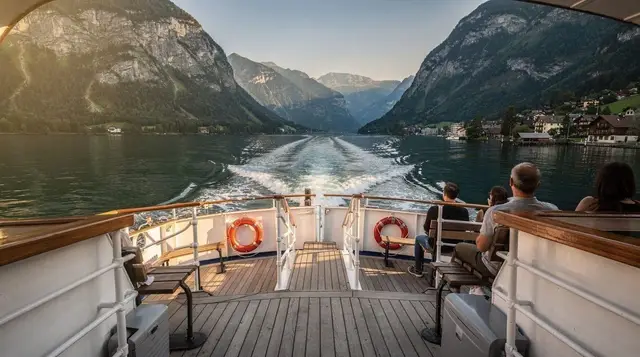
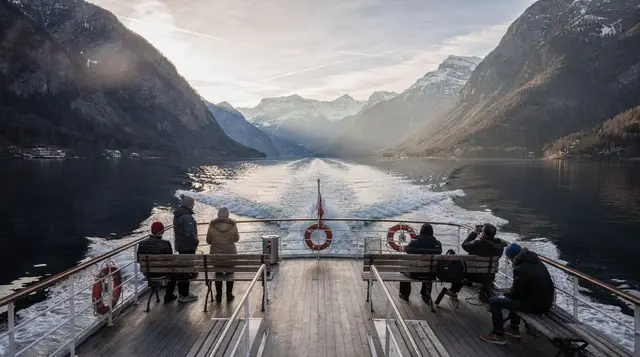
Titisee is the lake most people picture when they think “Black Forest”: dark, glacial, ringed by pine forest, with a small resort town on its northern shore. The lake itself is genuinely attractive, and a short boat trip across it is a pleasant half hour away from the shops.
Be clear-eyed about the town, though. The lakeside promenade is one of the densest concentrations of cuckoo-clock and kirsch (cherry brandy) shops in the region, aimed squarely at coach parties, and prices on the first row of stalls are inflated accordingly. If buying a cuckoo clock is genuinely on your list, it’s worth comparing prices at two or three shops rather than buying at the first one you see, and asking whether the mechanism is a genuine Black Forest movement or an imported quartz substitute dressed up in a carved case.
Titisee gets busy from late morning through mid-afternoon, particularly on summer weekends when it draws day-trippers from across the region, not just from Switzerland. If you’re coming independently by train, an early start helps; if you’re on a private car tour, ask your driver about timing the stop earlier or later than the standard midday slot.
Triberg: waterfalls and the real cuckoo-clock workshops
Triberg is a smaller, steeper town built around Germany’s highest waterfall, a series of cascades dropping around 160 metres through the forest on a well-maintained but genuinely uphill path. Allow 45 minutes to an hour to walk up and back at an unhurried pace, with sturdy shoes — the steps are often wet with spray, and the path can be slippery well into late spring.
Triberg is also where the cuckoo clock as an industry actually started, and it’s a better place than Titisee to see genuine workshops rather than souvenir stands, including the House of 1000 Clocks and workshops that still assemble mechanisms on site. If a cuckoo clock is a serious purchase rather than a fridge magnet, buying in Triberg from a workshop that can explain the movement is a safer bet than buying on the Titisee promenade.
Triberg is the town most likely to get cut if your day runs long — it requires an extra train change from Titisee, or extra driving time from Freiburg, and by public transport it’s realistically an either/or with Titisee rather than a guaranteed third stop.
How to fit all three in one day (or why you probably can’t)
Honestly: doing Freiburg, Titisee and Triberg properly in a single day from Zurich, by public transport, is possible only if everything runs on time and you accept short visits at each stop. The train connections between the three towns are not built for tourist convenience — they’re regional services with limited frequency, and a 20-minute wait for a connecting train easily becomes an hour lost from Triberg’s waterfall walk.
Three realistic ways to structure the day:
- Freiburg only, relaxed pace. Train there and back, several hours in the old town, time for lunch and the Minster tower. No connection risk.
- Freiburg plus Titisee, moderate pace. Doable by train if you start early from Zurich, but Triberg gets dropped.
- All three, but on an organised tour. A coach or private car itinerary such as the Zurich to Black Forest and Rhine Falls bus tour is built around fixed stop times precisely because the train connections don’t cooperate; this is the pragmatic choice if seeing all three matters more than independent pacing.
If the Black Forest is one stop among several German-border day trips you’re weighing, it’s worth comparing against the Rhine Falls day trip and the Rhine Falls visiting guide, since several tour operators combine the Rhine Falls with Titisee on the same itinerary, cutting down on separate travel days. For the wider picture of how this trip fits among other options, see day trips from Zurich.
What it costs
Prices below are approximate for one adult, in Swiss francs equivalent, based on 2026 rates. Germany’s lower general price level means most costs here are noticeably below Zurich equivalents.
| Item | Approx. cost |
|---|---|
| Zurich HB–Freiburg return train | CHF 60–90 |
| Freiburg Minster tower climb | CHF 4–5 |
| Titisee lake boat trip (30 min) | CHF 10–12 |
| Triberg waterfall entry | CHF 6–7 |
| Lunch (casual, one person) | CHF 15–22 |
| Organised coach day trip (Zurich, Black Forest + Rhine Falls) | CHF 100–150 |
| Private car day trip (per person, shared) | CHF 150–250+ |
A self-guided train day, done economically, generally comes out cheaper than an organised tour if you’re travelling solo or as a pair. Larger groups or anyone wary of connection timings will find the price gap with a tour narrows once you factor in the risk of a missed link costing you Triberg altogether.
When to go
Spring and autumn bring more rain to the Black Forest than to Zurich, which affects the walk up to Triberg’s falls more than anything else on this itinerary — the path gets slick, not dangerous, but less pleasant. Summer is the busiest period at Titisee specifically; if crowds bother you, an early departure from Zurich matters more here than at Freiburg or Triberg. Winter can be atmospheric, with snow on the pines around Titisee, but check regional train schedules for reduced frequency, and note that some smaller cable connections and seasonal attractions in the wider region close for maintenance in spring and autumn — a pattern that also affects Swiss mountain lifts, as covered in Zurich in winter.
For context on the rest of the year in Zurich itself, how many days in Zurich is worth reading if this Black Forest trip is one day within a longer stay, and first-time mistakes in Zurich covers a few currency and transport traps that apply on the Swiss side of this same journey.
Mistakes to avoid
- Assuming Swiss francs work in Germany. They mostly don’t, or only at a poor informal rate. Carry euros.
- Buying the first cuckoo clock you see at Titisee. Prices and quality both vary; Triberg’s workshops are generally a better source for a serious purchase.
- Underestimating the train connections. Regional services between Freiburg, Titisee and Triberg are infrequent — build in slack, or book a tour that handles the routing.
- Forgetting mobile roaming isn’t automatic. Switzerland’s non-EU status means a Swiss SIM may not treat Germany the way an EU SIM would.
- Wearing the wrong shoes for Triberg. The waterfall path is steep and often wet; trainers with worn soles are a genuine slip risk, not just a comfort issue.
- Driving without checking documents. If you’re self-driving, for example after picking up a rental car in Switzerland, confirm your insurance covers cross-border use into Germany before you leave.
Black Forest day trip FAQ
Do I need a passport to cross from Switzerland into Germany?
Yes, always carry a valid passport or national ID card even though both countries are in the Schengen area. Random checks happen at the border, especially by car, and you must be able to identify yourself.
What currency is used in the Black Forest?
The euro, not the Swiss franc. Some shops near the border in towns like Konstanz or Waldshut may accept francs at a poor rate, but Freiburg, Titisee and Triberg are firmly euro territory, so carry cash or a card that doesn’t charge foreign transaction fees.
How long does it take to get from Zurich to Freiburg?
About 1 hour 45 minutes to 2 hours by direct train, and a similar time by car via the A5 motorway. Freiburg is the natural gateway to the southern Black Forest and the easiest of the three stops to reach independently.
Can you do Freiburg, Titisee and Triberg all in one day from Zurich?
It’s possible but rushed by public transport, since local connections between the three are infrequent. Most people who want all three in a day book an organised tour with a coach or private vehicle, or accept seeing only two properly.
Is Titisee worth visiting or is it a tourist trap?
Titisee itself is a genuinely pretty lake, but the lakeside promenade is dense with souvenir shops selling cuckoo clocks and kirsch at inflated prices. Walk beyond the first row of shops or take a short lake cruise to get more out of the visit than the postcard stands offer.
Does mobile roaming work between Switzerland and Germany?
Switzerland is not in the EU, so EU roaming rules don’t apply automatically. Check with your Swiss provider before crossing, since some plans charge extra for Germany even though it’s a short drive away, and a Swiss eSIM add-on may not cover it.
What should I wear or bring for Triberg’s waterfalls?
Comfortable walking shoes with grip, since the path up the falls is steep, stepped and often wet with spray. A light waterproof helps in spring and autumn, when the Black Forest sees more rain than Zurich.
Lake cruises & boat tours on GetYourGuide
Verified deep-linked GetYourGuide tours. Book through these links and we earn a small commission at no cost to you.
GetYourGuide does not provide a product photo for this activity — the image shows the meeting point, photographed by us.