Zurich's specialty coffee and bakeries
How much does a coffee cost in Zurich and where is it good?
A takeaway coffee runs roughly CHF 4.50 to 5.50, and a sit-down cappuccino CHF 5.50 to 6.50 — expect Zurich prices, not Italian ones. For quality, independent roasters in Kreis 4 and 5 beat the grand confiseries on Bahnhofstrasse, though Sprüngli and Schober earn their reputation for pastries rather than for the coffee itself.
What a coffee actually costs in Zurich
Zurich sits among the most expensive cities in Europe, and coffee prices reflect it. There’s no local trick to avoid this: rent and staff wages are baked into every cup, whether it comes from a chain kiosk near Zurich HB or a third-wave roaster in Kreis 5. Budgeting a realistic amount per coffee stop matters more here than in most cities — see the fuller breakdown in Zurich travel costs if you’re planning a full trip budget.
| Item | Typical price (CHF) | Notes |
|---|---|---|
| Espresso, takeaway | 4.00–4.50 | Standing at the counter is often slightly cheaper |
| Cappuccino or latte, seated | 5.50–6.50 | Table service adds roughly a franc |
| Filter coffee | 4.50–5.00 | Less common than espresso-based drinks |
| Croissant or plain pastry | 3.50–5.00 | |
| Filled pastry (chocolate, cream) | 5.00–7.00 | |
| Slice of cake or torte | 7.00–9.50 | |
| Vermicelles portion | 9.00–13.00 | Seasonal, September to December |
None of this is a rip-off by Zurich standards — it’s simply the going rate. A coffee and a pastry for two easily reaches CHF 20 to 25, which is worth factoring into a day of sightseeing around the old town or Bahnhofstrasse.
Where the coffee is actually good
Zurich’s grand confiseries are famous for pastry, not for the coffee in the cup — that’s a different scene, concentrated in Kreis 4 and Kreis 5, and increasingly spreading into the old town.
Kafferösterei Schwarzenbach, on Münstergasse, has roasted its own beans since 1864 and still sells them from the original shop, with a small café attached. It’s less about design and more about a genuinely old roasting operation still doing the work in-house.
Nemesis Coffee roasts its own beans and runs a handful of small locations around the city; the coffee is consistently better than what you’ll find at the international chains on Bahnhofstrasse, and prices are comparable rather than inflated for the quality.
Barvo Kaffee is another local roaster with a loyal following, popular with people who work nearby rather than tourists, which tends to be a reliable sign in any city.
Vicafe, tucked into Niederdorf, is more of a lived-in neighbourhood café than a specialty-coffee showcase, but it’s a fair option if you’re already wandering the old town lanes and want a seat rather than a takeaway cup.
None of these are destinations in themselves worth a special trip — they’re worth folding into a walk you’re already doing. If you’d rather have a local guide connect the food stops for you, a Zurich food tour typically covers three or four stops including a coffee break and gives context a self-guided wander won’t.
a guided food tour through central Zurich, with tastings built in is a reasonable way to hit several of these stops in one afternoon without doing the legwork yourself, particularly on a short visit where you don’t have three separate mornings to spend on it.
The bakeries and confiseries worth the price
Confiserie Sprüngli, the Bahnhofstrasse flagship at Paradeplatz, is the name every visitor has heard of, largely for its Luxemburgerli — small, light macarons in flavours that rotate seasonally. It’s genuinely good, but also genuinely a queue on Saturday afternoons and during the pre-Christmas weeks tied to the Zurich Christmas markets. Go earlier in the day or on a weekday morning if a queue isn’t part of your plan.
Confiserie Teuscher is Sprüngli’s quieter rival, better known outside Switzerland for chocolate truffles than for pastries, but its Zurich shop is worth a look if Sprüngli’s queue puts you off.
Café Schober, near Napfgasse in the old town, is the most old-fashioned of the lot — dark wood, chandeliers, and a menu that leans into tradition rather than novelty. It’s one of the more reliable places to order Vermicelles served properly, in its classic form with a meringue base.
Bäckerei Honold is a working bakery rather than a tourist confiserie, and a better bet for an everyday loaf of Zopf or a straightforward pastry at a fairer price than the grand names charge. It has several branches across the city, useful if you’re staying outside the centre.
For something less formal, the stalls at the Saturday markets around Bürkliplatz sometimes sell fresh-baked goods alongside produce — worth a look if you’re combining a market visit with a walk described in Zurich’s markets and souvenirs guide.
Vermicelles: the dessert everyone queues for
Vermicelles (sometimes called vermicelli, confusingly, on English menus) is Zurich’s signature autumn dessert: sweetened chestnut purée forced through a press so it comes out in thin strands, piled over a base of meringue and finished with whipped cream. Done well, it looks almost like a nest of pale spaghetti and tastes nothing like it — dense, sweet, faintly smoky from the chestnuts.
It’s a seasonal product, tied to the fresh chestnut harvest, and available roughly from September through December at Sprüngli, Schober, and most serious confiseries in the city. Some places extend the season into January using stored purée, but the texture is noticeably better with fresh chestnuts early on. If your trip falls outside that window, you’ll still find tinned chestnut purée versions on some menus year-round, though it’s a clearly inferior substitute and locals will tell you so.
A single portion typically costs CHF 9 to 13 depending on where you order it, and it’s rich enough that sharing one between two people is common practice rather than a false economy.
Seasonal pastries through the year
Zurich’s bakery calendar changes more than most visitors expect, and timing a trip around a specific pastry is a legitimate reason to plan around a particular month — see Zurich’s weather and events month by month for how that interacts with the wider cost of a trip.
| Season | What to look for | Typical months |
|---|---|---|
| Autumn | Vermicelles, Birnbrot (dried pear bread) | September–December |
| Winter | Tirggel (honey-spice biscuits), Grittibänz (bread figures), Guetzli (Christmas biscuits) | November–December |
| Spring | Fasnachtschüechli (fried pastry, around Fasnacht) | February–March |
| Year-round | Zopf (braided bread), Zuger Kirschtorte, Luxemburgerli | All year |
Tirggel in particular is worth seeking out if you’re visiting in November or December — it’s a thin, hard biscuit stamped with old guild or city motifs, more decorative than indulgent, and sold at the Christmas markets as well as in bakeries. Grittibänz, the bread figure shaped like a small person with a clay pipe or raisin eyes, traditionally appears around St Nicholas Day in early December and is aimed at children, though nobody stops adults from buying one.
Coffee culture and everyday etiquette
Ordering at a counter and taking your coffee to a standing bar is normal and usually a franc or so cheaper than sitting at a table with service. If you do sit down, a server will usually come to you rather than you queuing at a till, and rounding the bill up to the nearest franc or two covers the tip — Swiss service charges are already included in the price, so this is a courtesy rather than an expectation.
Cards and contactless payment are accepted everywhere, including small bakeries, so there’s little need to carry cash for a coffee stop. The main exception is outdoor market stalls, where a float of coins is still useful.
Bakeries generally open early, from around 6.30 or 7am, which suits combining a pastry with an early walk through the old town before the day-trip crowds arrive at Zurich HB. Most independent bakeries close on Sundays; the exceptions are the counters inside the main station and the airport, plus a handful of confiseries on Bahnhofstrasse.
If food is a bigger part of why you’re in Zurich than the sights, it’s worth building a morning or afternoon specifically around it rather than squeezing bakery stops between museum visits — how many days in Zurich is worth a read if you’re still deciding how much time to allow the city overall, and eating well in Zurich without going broke covers the wider food budget beyond coffee and cake.
Combining coffee stops with a day out
Coffee and bakery hunting pairs naturally with slower, food-focused excursions rather than a packed sightseeing itinerary. A walk through Bahnhofstrasse’s shopping strip puts you within a few minutes of both Sprüngli and Teuscher, and a loop through the old town lanes covered in the walking guide passes close to Schober and Vicafe.
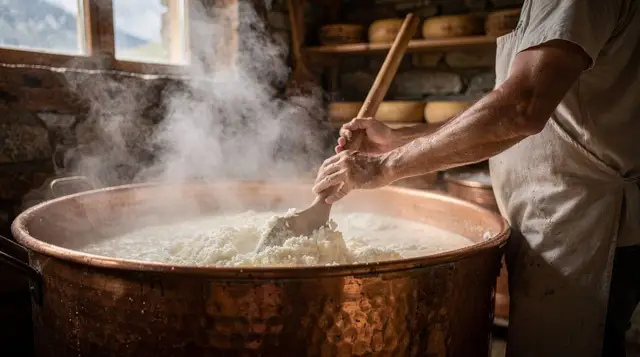
For something more structured, a day trip toward Gruyère combines chocolate and cheese production with the kind of dairy-country bakeries you won’t find in Zurich itself — see the destinations page for Gruyères for the wider context.
a day trip from Zurich to the chocolate and cheese country around Gruyères covers ground that a bakery crawl in Zurich alone can’t — it’s a different kind of food day, built around production rather than the counter, and worth considering if a single afternoon of café-hopping isn’t enough. Anyone curious about the distilling side of Zurich’s drinks scene, rather than the sweet side, might instead look at a small-group tour of a Zurich distillery, which runs as a tasting-led counterpart to a coffee crawl.
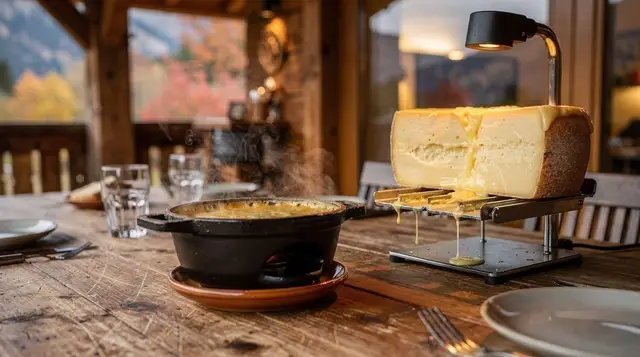
For context on what a coffee actually costs across a longer stay, and how that stacks up against a beer or a lunch, this piece on the real cost of a coffee in Zurich is a useful companion read, and fondue and raclette in Zurich or Zurich’s dairy day trips cover the savoury side of the same food-focused trip if pastries alone aren’t the whole plan. For chocolate specifically, Zurich’s chocolate experiences go into more depth than a bakery visit alone can.
Frequently asked questions about coffee and bakeries in Zurich
How much does a coffee cost in Zurich?
A takeaway espresso or filter coffee is typically CHF 4 to 5. A cappuccino or latte at a table adds table service and usually costs CHF 5.50 to 6.50. Rounding up a franc or two for table service is normal and appreciated, though not obligatory.
What is Vermicelles and where can I try it?
Vermicelles is a Swiss dessert of sweetened chestnut purée piped into thin noodle-like strands over meringue and whipped cream. Confiserie Schober near Napfgasse and Sprüngli on Bahnhofstrasse both serve it fresh from around September to December, when new-season chestnuts arrive.
Is Sprüngli worth the queue?
For Luxemburgerli and the seasonal Vermicelles, yes, though expect to queue at the Paradeplatz flagship on Saturday afternoons. The coffee itself is unremarkable; go for the pastry counter, not for a lingering coffee break.
What’s the best specialty coffee roaster in Zurich?
Kafferösterei Schwarzenbach on Münstergasse has roasted coffee since 1864 and still runs a small café alongside its shop. For a more contemporary cup, Nemesis Coffee and Barvo Kaffee both roast in-house and are consistently rated by locals over the big chains.
When is Vermicelles season?
Roughly September to December, tied to the fresh chestnut harvest. Some confiseries stretch it into January using stored purée, but the texture and flavour are noticeably better earlier in the season.
Do Zurich cafés take cards or only cash?
Nearly every café, bakery and confiserie in Zurich accepts contactless card and mobile payment; cash is rarely required. Smaller market stalls at the Bürkliplatz or Rosenhof markets are the main exception, so carry some coins there.
Are bakeries open on Sundays in Zurich?
Most independent bakeries close on Sundays, though bakery counters inside Zurich HB and the airport trade seven days a week, usually until early evening. Confiseries such as Sprüngli’s train station branch also open on Sundays.
What should I try besides Vermicelles?
Zopf, a braided butter bread eaten at Sunday breakfast; Tirggel, a thin honey-spice biscuit stamped with old Zurich motifs, sold mainly in winter; and Zuger Kirschtorte, a kirsch-soaked layer cake from nearby Zug that most good confiseries also stock.
Zurich food & drink tours on GetYourGuide
Verified deep-linked GetYourGuide tours. Book through these links and we earn a small commission at no cost to you.
GetYourGuide does not provide a product photo for this activity — the image shows the meeting point, photographed by us.